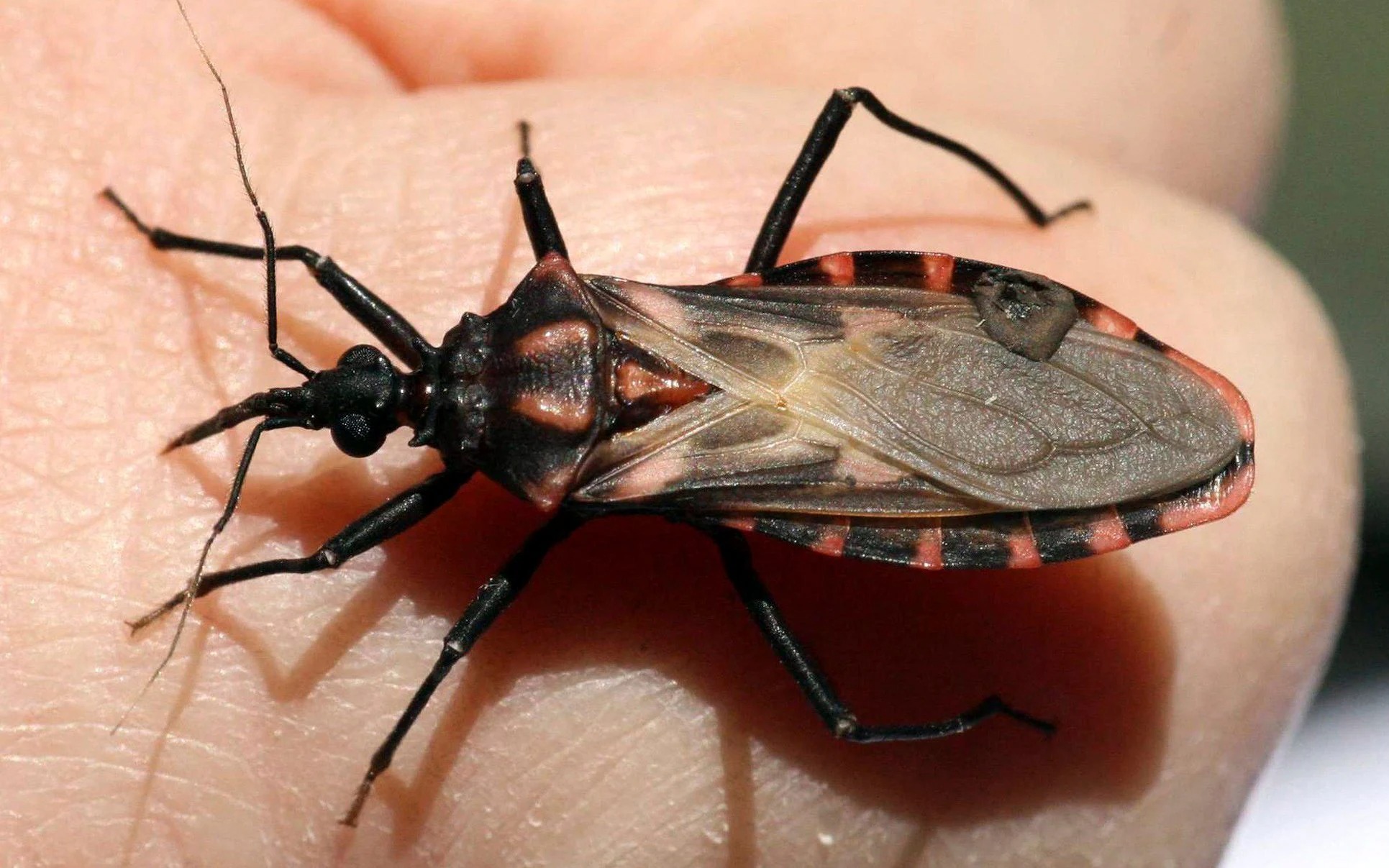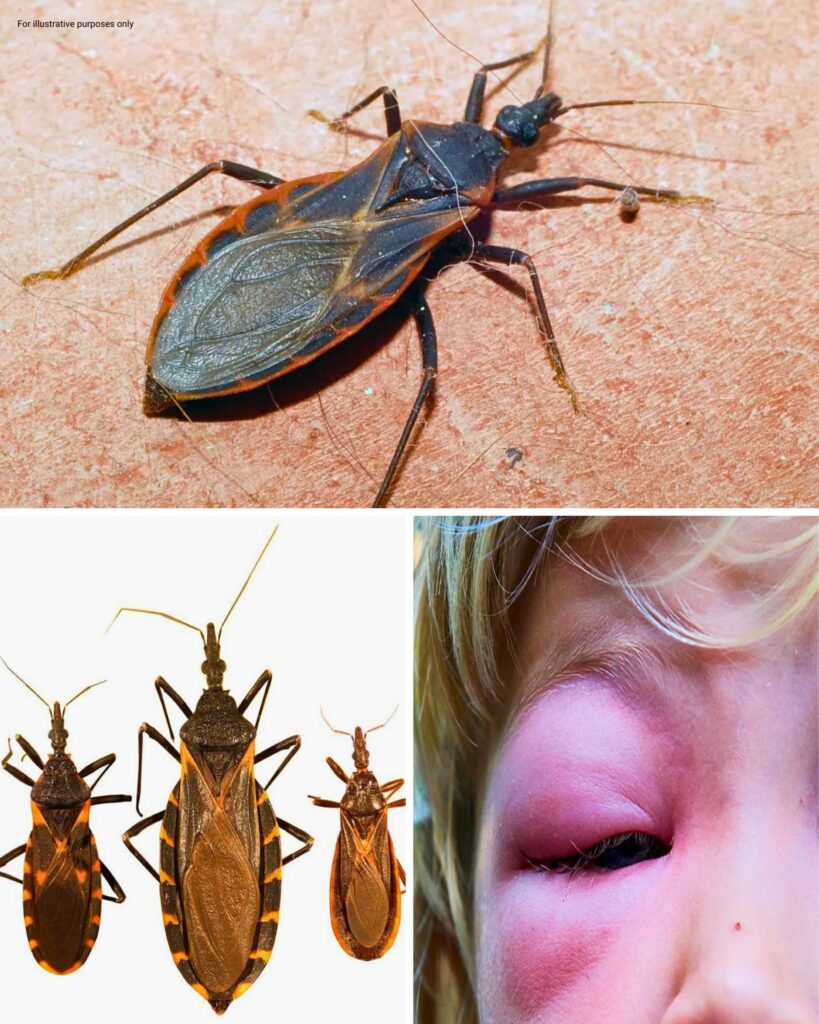
Summertime brings sunshine and warmth, but it also invites various pests, including ticks, mosquitoes, and increasingly, kissing bugs. Though not widely known, kissing bugs are becoming more common, and their bites can pose serious health risks. Understanding these insects can help us take precautions against potential harm.
What Are Kissing Bugs?
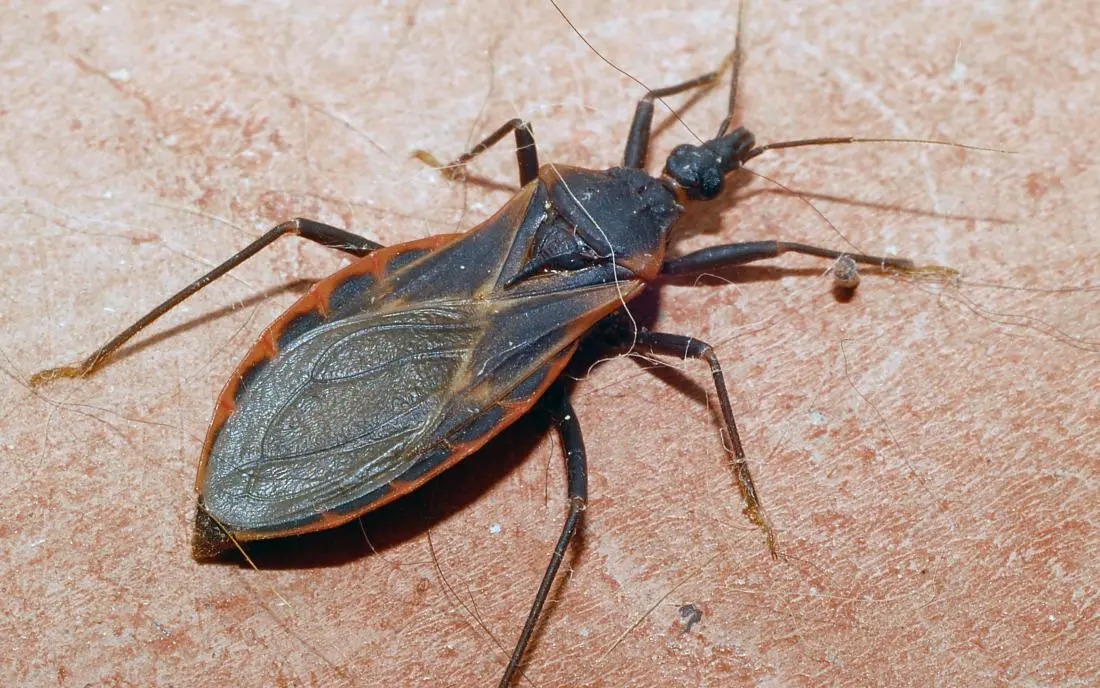
Kissing bugs, scientifically known as triatomines, are nocturnal insects that feed on the blood of humans and animals. They hide during the day and become active at night, often biting people while they sleep. Their saliva contains a numbing agent, making bites painless and unnoticed.
These bugs are attracted to carbon dioxide exhaled by humans, which is why they tend to bite around the mouth and eyes, leaving clusters of bites on the face. They typically live in wooded areas and nests of rodents and birds but can enter homes through small openings like cracks or torn screens.
Kissing bugs are a major concern in South and Central America, as well as Mexico. According to the Centers for Disease Control and Prevention (CDC), approximately 8 million people in these regions have Chagas disease, which is linked to these bugs. Cases in the southern United States are also increasing.
How to Identify Kissing Bugs
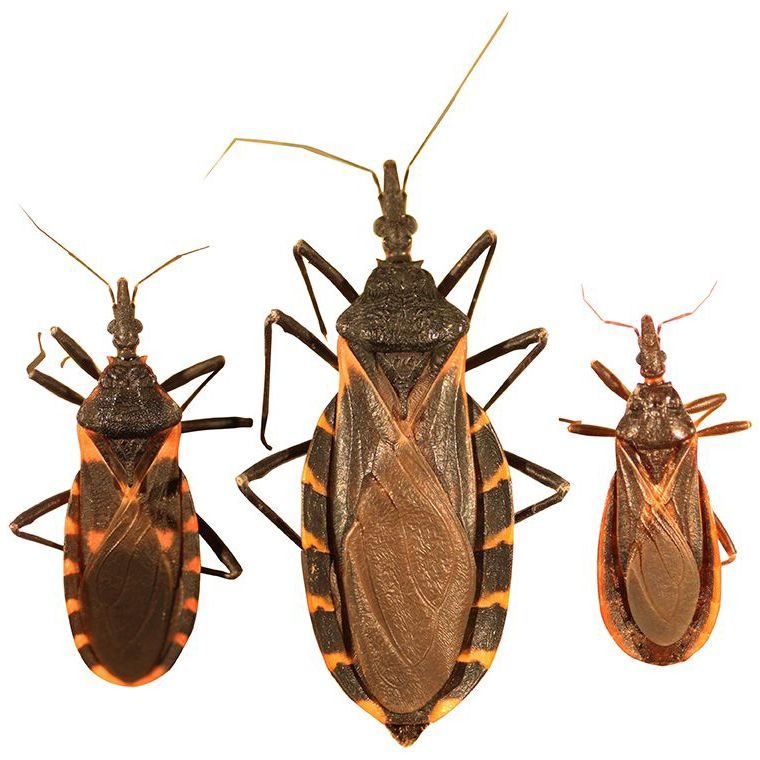
Kissing bugs can be mistaken for other insects, but they have some distinctive features:
- Long, oval-shaped body with six legs
- Thin, cone-shaped head with long antennae
- Light brown to black body with yellow, red, or tan markings
- About the size of a penny (1 inch in length)
Symptoms of a Kissing Bug Bite
Kissing bug bites resemble those of other insects. Some people may not notice the bites, while others might see clusters of small bites around the mouth and eyes.
In some cases, people may have allergic reactions, experiencing itching, swelling, and redness around the bites. Antihistamines can help alleviate these symptoms. Severe allergic reactions may cause welts, hives, or, in rare cases, anaphylactic shock, which requires immediate medical attention.
Risks Associated with Kissing Bugs
The primary risk from kissing bug bites is Chagas disease, caused by the Trypanosoma cruzi parasite found in the bugs’ feces. Not all kissing bugs carry the parasite, but in some areas, up to 60% of them do. However, infection only occurs if parasite-laden feces enter an open wound or mucous membrane, such as when a person touches their eyes or mouth with contaminated hands.