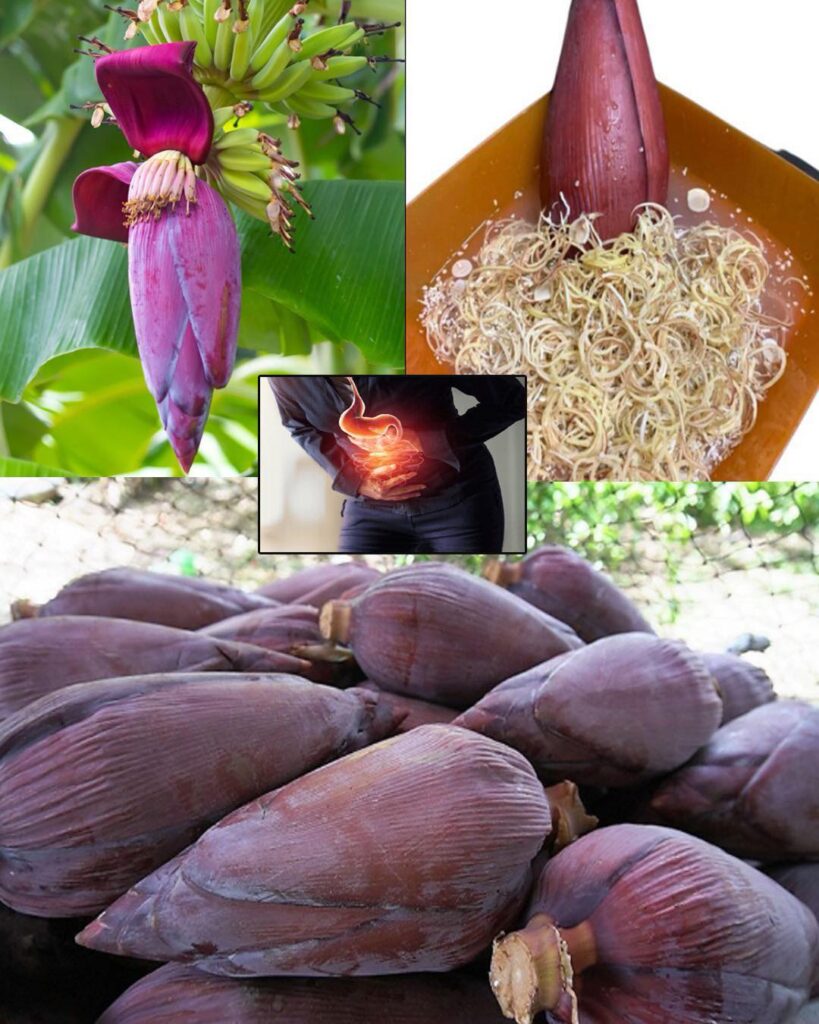
Banana blossom—often referred to as banana flower—is a tear-shaped, purple or maroon flower that grows at the end of a banana cluster. Commonly used in South and Southeast Asian cuisines, banana blossoms are packed with nutrients and offer a unique texture and flavor. Below, we’ll explore its nutritional value, potential health benefits, and a few ways to incorporate it into your meals.
Banana blossoms provide several important nutrients, though exact values can vary depending on freshness and preparation. In general, they contain:
Fiber: Helps support digestive health.
Protein: In modest amounts, beneficial for muscle maintenance and cellular repair.
Vitamins and Minerals:
Vitamin C, which supports immune function and acts as an antioxidant.
Vitamin E, beneficial for skin health and cell protection.
B vitamins (including folate), important for energy metabolism and red blood cell production.
Minerals such as potassium, calcium, and magnesium.
Antioxidants: Phytonutrients that help protect cells from damage caused by free radicals.
Potential Health Benefits
Digestive Health
The fiber in banana blossoms contributes to regular bowel movements and overall gut health.
A diet rich in fiber can also help stabilize blood sugar levels and improve satiety.
Reduced Inflammation
Compounds like flavonoids, tannins, and other phytonutrients found in banana blossoms may have anti-inflammatory properties, potentially aiding in the reduction of chronic inflammation.
Weight Management
The combination of fiber and moderate protein can help prolong the feeling of fullness, supporting weight management efforts.
Banana blossoms have a low calorie density, making them suitable for lighter recipes.