Husband’s fingers are covered in these tiny water blisters. He can’t even type for work. We need help asap!
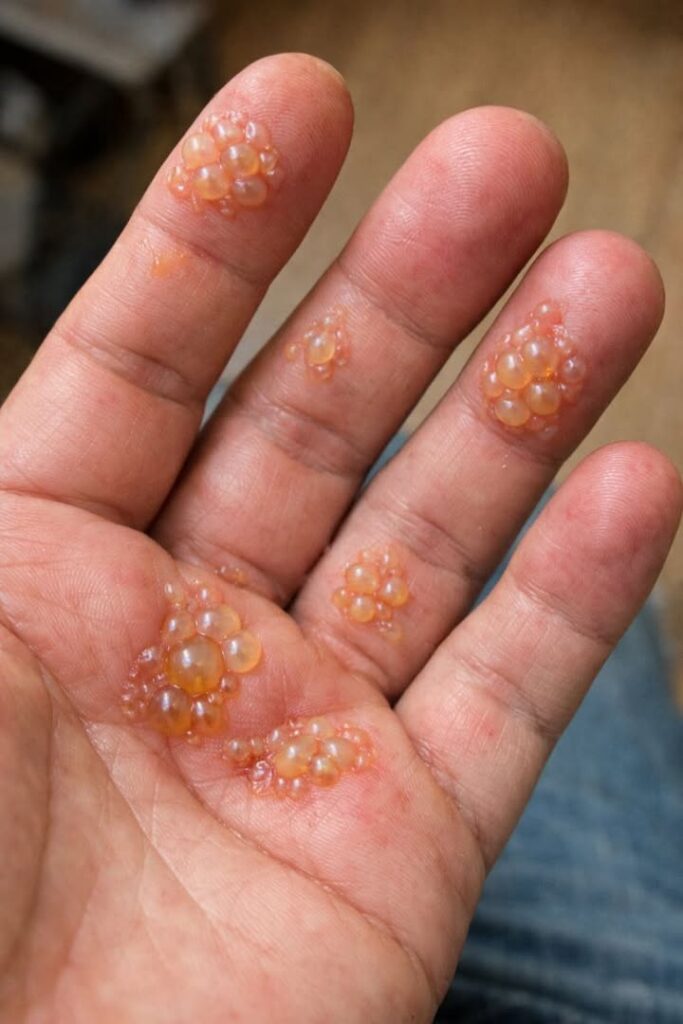
Dealing with unexpected health issues can be both confusing and distressing, especially when they interfere with daily life. One such issue that many individuals face is the sudden appearance of tiny water blisters on their fingers. These blisters can be not only unsightly but also painful, making it difficult to perform everyday tasks like typing, cooking, or even holding a pen.
For those who rely on their hands for work or daily activities, the impact of such blisters can be significant. It’s important to understand what these blisters are, potential causes, and how they can be managed or treated. This article aims to provide a comprehensive guide to understanding and dealing with these tiny water blisters on fingers, focusing on the condition known as dyshidrotic eczema.
1. What Are These Tiny Water Blisters on His Fingers?
The small, fluid-filled blisters that appear on fingers are often a sign of a skin condition called dyshidrotic eczema, also known as pompholyx. These blisters typically measure between 1 to 2 millimeters in diameter and are filled with a clear liquid. They can appear suddenly and are often located on the sides of the fingers, palms of the hands, and sometimes the soles of the feet.
The blisters can cause intense itching and may be accompanied by a burning sensation. As they heal, they may become dry and cracked, leading to further discomfort. The exact cause of these blisters is not fully understood, but they are thought to be related to stress, allergies, or moisture exposure.
2. Why Dyshidrotic Eczema Is a Likely Culprit
Dyshidrotic eczema is a form of eczema that specifically affects the hands and feet. It is characterized by the sudden onset of small blisters, which are often very itchy. The condition is more common in adults aged 20 to 40, but it can occur at any age. It is thought to be related to genetic factors, as well as environmental triggers.
Studies suggest that dyshidrotic eczema may be linked to allergies, including hay fever and asthma. People with a history of atopic dermatitis are also more likely to develop this condition. The blisters typically last for about three weeks, but they can recur, leading to chronic issues for some individuals.
3. Common Triggers: Stress, Allergies, and Everyday Irritants
Several factors can trigger or exacerbate dyshidrotic eczema. Stress is a significant factor, and many individuals report flare-ups during periods of high emotional or physical stress. Allergies, particularly to nickel or cobalt, can also trigger blisters. Everyday irritants such as soap, detergents, or prolonged exposure to water can further aggravate the condition.
Environmental factors such as changes in weather, particularly humid conditions, can also play a role. Identifying and managing these triggers can help reduce the frequency and severity of flare-ups.
4. When Finger Blisters Become So Painful You Can’t Type
The blisters associated with dyshidrotic eczema can become extremely painful, especially when they burst or become infected. This can make it difficult to use the hands for tasks that require dexterity, such as typing. The discomfort can be exacerbated by the skin cracking or peeling as the blisters heal.
For individuals who use their hands extensively for work, this can be particularly challenging. Finding ways to manage the pain and protect the hands is essential to maintaining productivity and quality of life.