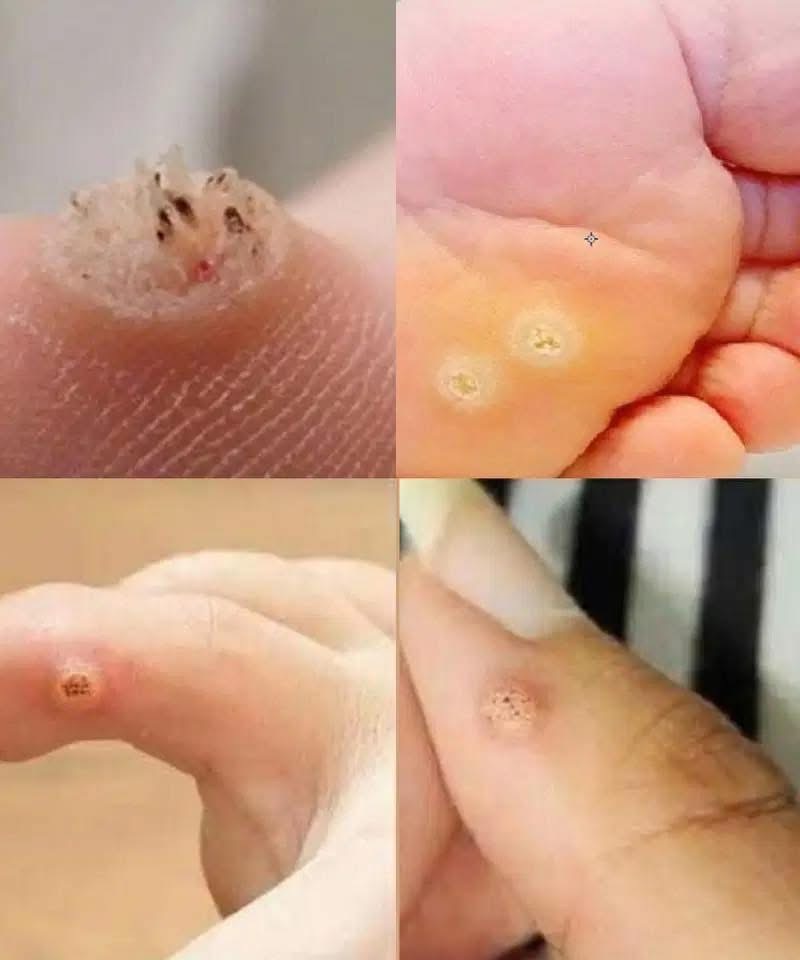
Cold sores, often referred to as fever blisters, represent a widespread viral infection mainly triggered by the herpes simplex virus type 1 (HSV-1). In certain instances, herpes simplex virus type 2 (HSV-2)—typically linked with genital herpes—might also give rise to cold sores, particularly via oral-genital contact.
What Leads to Cold Sores?
Cold sores are extremely infectious and easily transmit from one individual to another, primarily through interaction with infected saliva or skin. Typical methods of virus transmission include:
Direct contact: Engaging in kissing or sharing beverages, food, or utensils with an infected individual.
Indirect contact: Utilizing items tainted with the virus, such as towels, lip balm, or cutlery.
Self-infection (Autoinoculation): Contacting a cold sore and subsequently touching other body areas, like the eyes or genitals, can propagate the virus.
Identifying the Symptoms
Cold sores generally progress through various stages:
- Tingling or itching: A burning or itching feeling often serves as the initial sign, occurring 1–2 days prior to the appearance of the sore.
- Formation of blisters: Small, fluid-filled blisters arise, typically around the lips but occasionally on the nose or gums.
- Blister rupture: The blisters burst, resulting in painful, red sores. This stage is the most contagious.
- Scabbing: The sores dry and form a crust, which eventually detaches during the healing process.

A typical episode lasts about 7 to 10 days. While the sores mend, the virus remains dormant in the body and can reactivate during specific triggers.
What Induces an Outbreak?
Multiple factors can awaken the virus and provoke new sores:
- Emotional or physical strain
- Exposure to sunlight or ultraviolet rays
- Hormonal fluctuations, such as those occurring during menstruation or pregnancy
- Other ailments, including colds and fevers
- Diminished immune system, due to medical therapies or health issues
How Are Cold Sores Managed?
While there is no definitive cure for cold sores, several treatments can aid in managing symptoms and promote faster healing:
1. Antiviral tablets: Medications such as acyclovir, valacyclovir, or famciclovir can diminish the duration and intensity of an outbreak, particularly if taken early.
2. Topical antiviral ointments: These can alleviate symptoms and potentially limit viral transmission.
3. Pain relief medications: Over-the-counter options like ibuprofen or acetaminophen, or numbing ointments, can assist in alleviating discomfort.
4. Moisturizing balms or ointments: Soothing lip products can help decrease dryness and relieve pain around the sores.

Suggestions for Prevention
To prevent the spread of cold sores or trigger outbreaks, consider the following:
Avoid kissing or close contact during an active outbreak
Do not share personal items such as lip balms, utensils, or towels
Employ lip sunscreen if sun exposure is an identified trigger
Nourish your immune system through a balanced diet, frequent exercise, and stress management
When Should You Consult a Healthcare Professional?
It is advisable to consult a healthcare provider if:
Outbreaks occur frequently or are notably painful
Over-the-counter solutions are ineffective
The sores extend beyond the lips or have significantly increased in size
Pain hampers eating, drinking, or speaking
You possess a weakened immune system, increasing the likelihood of complications