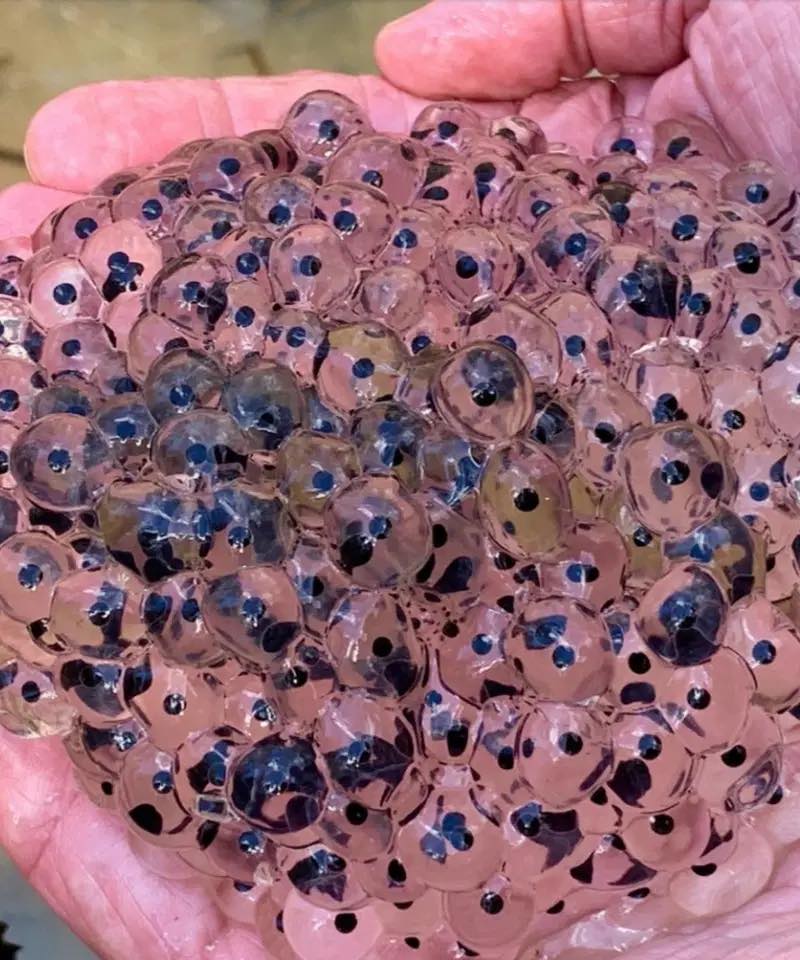
What started as an ordinary morning after a light rainfall turned into a wildlife mystery straight out of a documentary…
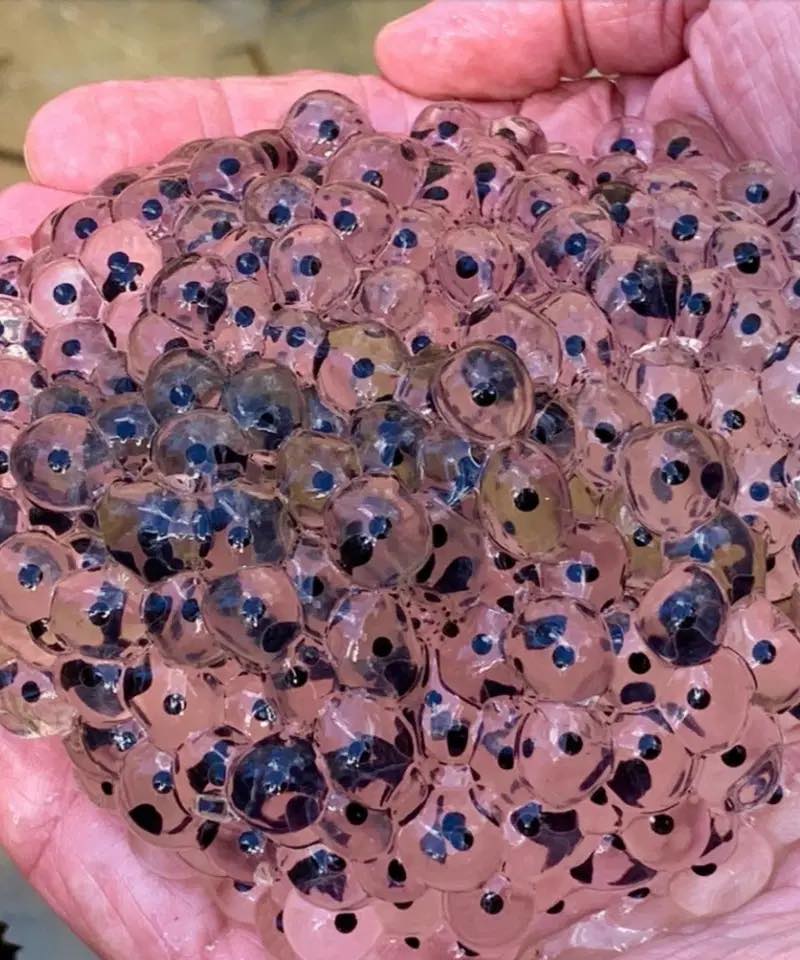
A seasoned farmer was doing his routine walk across the fields when he noticed dozens of strange little eggs scattered in the soil. They were too large to be insect eggs, yet far too small for birds. Their pale, leathery texture looked almost… prehistoric.
Confused and concerned, he immediately contacted a local biologist he’d worked with in the past. What they discovered next left them both speechless.
 What This Means for Farmers and Landowners
This isn’t just an oddity—it’s a biohazard risk. According to agricultural safety experts, unmarked reptile nests can pose serious threats to crops, livestock, and farm workers.
Snakes, especially those nesting on farmlands, can:
- Disrupt the ecosystem balance
- Damage irrigation systems and equipment wiring
- Create unsafe working conditions for laborers
A proper environmental risk assessment and wildlife control consultation were immediately scheduled.
 How to Protect Your Land From Hidden Threats:
 Schedule regular pest and wildlife inspections with certified environmental consultants Invest in thermal imaging and soil disruption monitoring Report any unusual biological findings immediately to local wildlife authorities Educate your workers on reptile behavior and egg identification
 & Property Owners: Don’t Ignore the Signs
Whether it’s a snake infestation, burrowing reptiles, or unknown species laying eggs on your property, your land could be at risk. Early detection is crucial.