
A Modern Project That Ended in Tragedy
In March 2018, the Florida International University (FIU) pedestrian bridge project in Miami was meant to symbolize innovation and safety. At 53 meters long, the bridge would connect the campus to surrounding neighborhoods, offering students and residents a secure route across a busy highway.
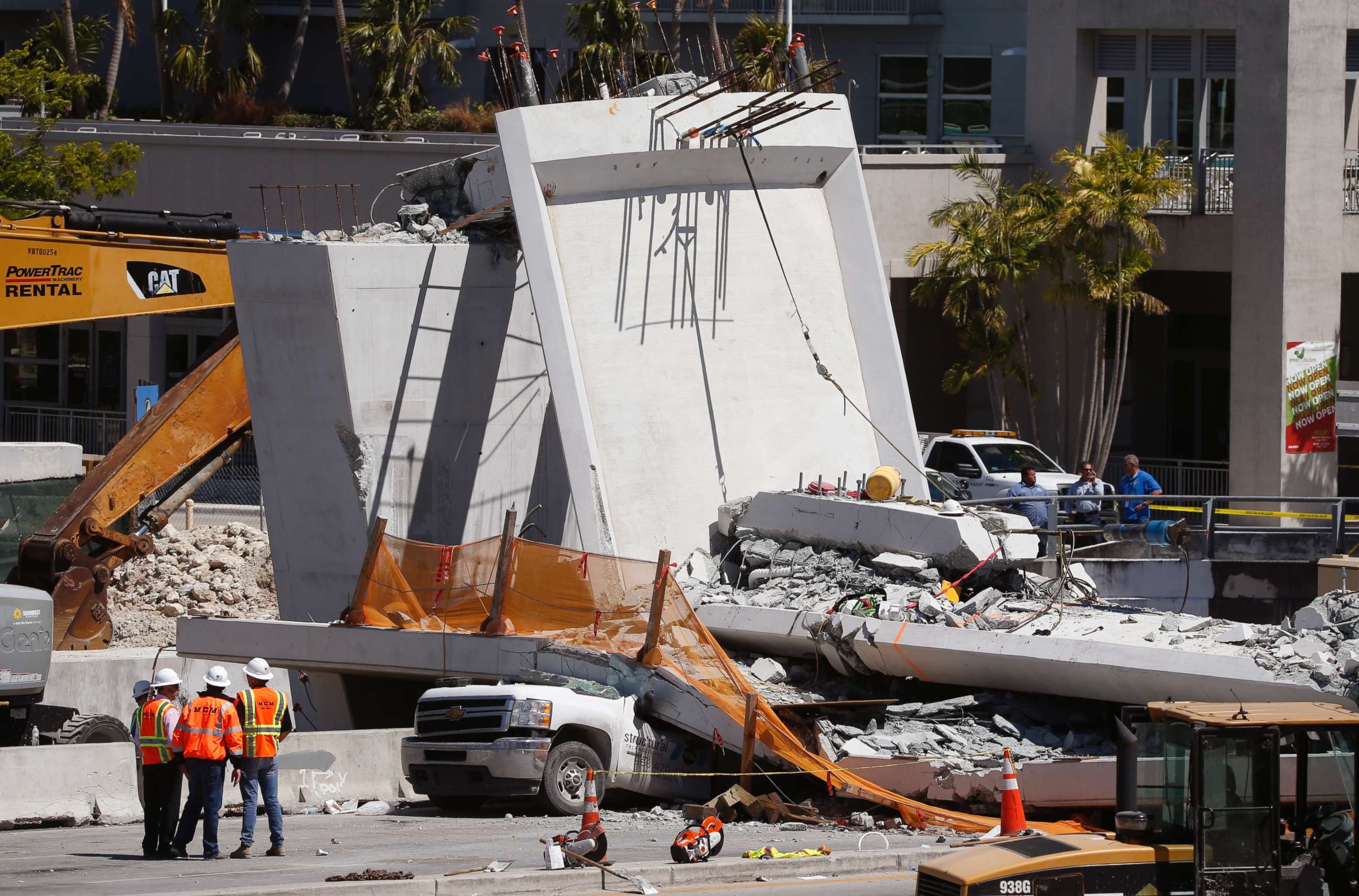
But only days after its installation, the bridge collapsed in seconds, bringing down eight vehicles beneath and resulting in six fatalities and multiple injuries. While the loss of life was heartbreaking, the event became a case study in engineering and management failures that has reshaped how experts think about design, construction, and oversight.
The FIU bridge collapse was not simply a technical error—it was an avoidable disaster that demonstrated how organizational blind spots, overlooked warnings, and flawed decision-making can combine into catastrophe.
An Unusual and Vulnerable Design

The FIU pedestrian bridge was designed as a concrete truss, a configuration rarely seen in modern projects. Unlike traditional trusses, which feature multiple lines of support members, this design included only a single line.
Dr. Sean Brady, a forensic structural engineer, explained that such a design left the bridge vulnerable: “If one of those members breaks, there’s nowhere for the load to go.” This lack of redundancy meant that failure in a single area could trigger a total collapse.
Further compounding the risk were “cold joints”—sections where concrete was poured at different times. Instead of forming a uniform structure, these joints created weak spots. One critical detail—the instruction to “roughen” a joint between two truss members for better bonding—was left off the final construction drawings. That oversight introduced a major weakness into the bridge’s structure, one that slipped past peer review and made its way onto the construction site.
Warning Signs Before the Collapse
From the beginning, the project showed signs of stress. The main span of the bridge was cast offsite and then moved into position using a self-propelled modular transporter. During this process, engineers applied post-tensioning to manage temporary loads. Once in place, the structure appeared stable, but cracks soon began to form at critical node points.
By March 15, 2018—just 19 days after the span was set in place—engineers inspecting the bridge identified significant cracks at the junction of the 11th and 12th truss members. These were not minor cosmetic issues but large fractures that should have raised immediate alarms.
Despite this, the road beneath the bridge remained open, and the structure was not supported with additional bracing. Instead, workers attempted to re-tension the bars of a diagonal member, a move intended to restore strength but which instead increased the stress on an already compromised node.
Moments later, the bridge collapsed. The canopy and deck fractured almost instantly, confirming the vulnerability of the design and the danger of overlooking warning signs.
Investigations and Findings

The National Transportation Safety Board (NTSB) launched a detailed investigation into the collapse. Its 2019 report concluded that the tragedy was the result of a “complete lack of oversight by every single party that had responsibility to either identify the design errors or stop work once it was clear there was a massive internal failure.”
Key findings included: