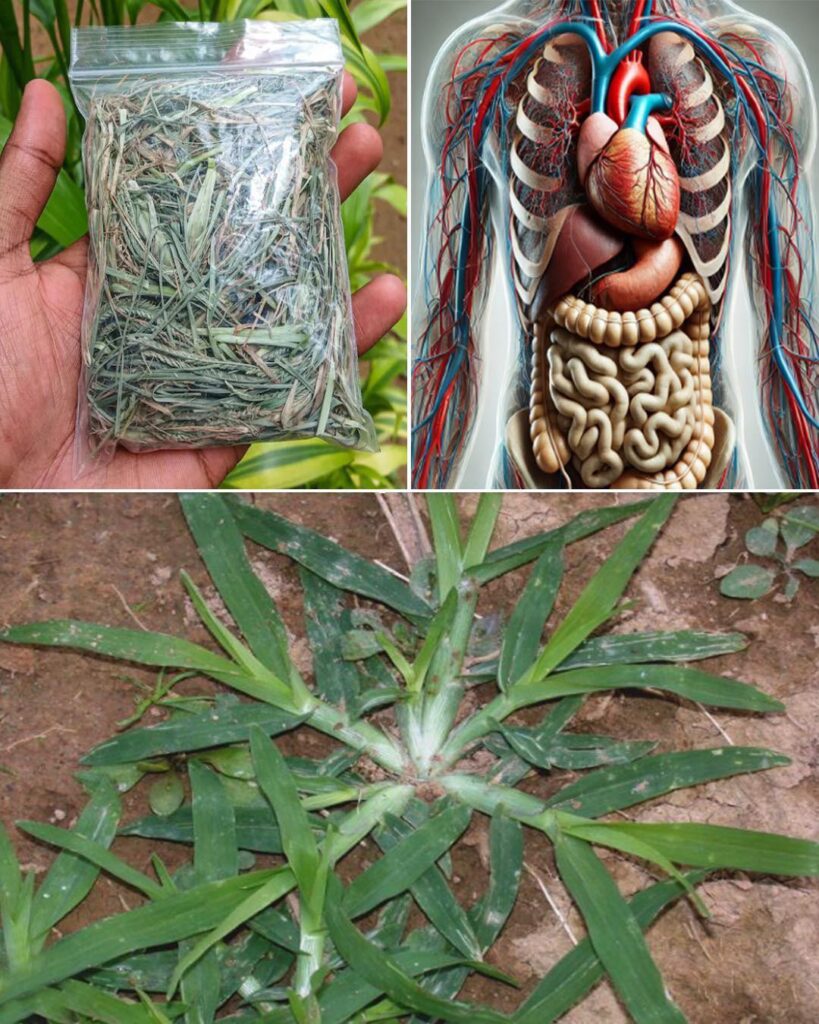
Goosegrass (Eleusine indica), also known as wiregrass or crowfoot grass, is often considered a troublesome weed by gardeners and farmers. However, this resilient plant has been used in traditional medicine for centuries and offers numerous health benefits that are worth exploring. From its medicinal properties to its potential nutritional value, goosegrass is a hidden gem in the world of natural remedies. Here’s a closer look at the benefits of goosegrass and how to unlock its potential.
Medicinal Benefits of Goosegrass
1.Anti-inflammatory Properties
Goosegrass is known for its potent anti-inflammatory effects, which can help reduce inflammation and pain.
Application: Use goosegrass extracts or poultices to alleviate conditions like arthritis, gout, and joint pain. The plant’s compounds can help soothe muscle aches and minor injuries.
2.Diuretic Effects
Goosegrass has diuretic properties that promote the excretion of excess fluids from the body, helping to reduce swelling and detoxify the system.
Tea: Drinking goosegrass tea can aid in flushing out toxins, relieving urinary tract infections, and reducing edema.
3.Antimicrobial Properties
Studies have shown that goosegrass possesses antimicrobial properties, making it effective against various bacteria and fungi.
Topical Use: Apply crushed goosegrass leaves to minor cuts, wounds, and infections to prevent bacterial growth and promote healing.
4.Blood Sugar Regulation
Preliminary research suggests that goosegrass may help regulate blood sugar levels, making it beneficial for individuals with diabetes or those at risk of developing the condition.
Infusion: Consuming goosegrass tea regularly may help stabilize blood sugar levels and improve insulin sensitivity.
Nutritional Benefits of Goosegrass
1.Rich in Nutrients
Goosegrass is a good source of essential nutrients that support overall health.
Vitamins: Contains vitamins A, C, and E, which are important for immune function, skin health, and vision.
Minerals: Provides minerals such as calcium, potassium, and magnesium, which are vital for bone health, muscle function, and cardiovascular health.
2.High in Antioxidants
The plant is rich in antioxidants that help combat oxidative stress and protect the body’s cells from damage.
Consumption: Including goosegrass in your diet can help reduce the risk of chronic diseases and support overall well-being.
How to Use Goosegrass
1.Goosegrass Tea
One of the most common ways to use goosegrass is by making tea.
Preparation:
Collect fresh goosegrass leaves and wash them thoroughly.
Boil water and add the leaves.
Let it steep for 10-15 minutes, then strain and drink.
Optionally, add honey or lemon for flavor.
2.Poultices and Compresses
For topical use, goosegrass can be made into poultices or compresses to treat skin conditions and injuries.